Building Audience-Focused Brands

n 2025, the most resilient and trusted arts and cultural brands are built with their audience in mind. Whether you’re developing a new brand identity or refreshing an existing one, this guide explores how audience-focused branding can drive connection, recognition, and long-term loyalty. Using real-life examples from the Ticketsolve Community, we’ll show how inclusive, intentional branding can reflect your community and invite people in.

How can you build a brand identity in the arts and culture sector that connects, includes, and inspires?

Branding is more than logos, colour palettes, tone of voice – it’s how people experience you!

In 2025, the most resilient and trusted arts and cultural brands are built with their audience in mind.
Whether you’re developing a new brand identity or refreshing an existing one, this guide explores how audience-focused branding can drive connection, recognition, and long-term loyalty. Using real-life examples from the Ticketsolve Community, we’ll show how inclusive, intentional branding can reflect your community and invite people in.

Why Audience-Focused Branding Matters

Building a brand with your audience – not just for them – creates trust, relevance, and belonging. An audience focused brand can be a powerful tool for inclusivity and community connection.

In this guide:

  • London Museum: A pigeon-led rebrand shaped by 500 residents‍
  • Liverpool’s Royal Court: Using tone of voice to make theatre feel accessible‍
  • Welsh Arts Venues: How bilingual branding reflects identity and inclusion

London Museum: A Pigeon with Purpose

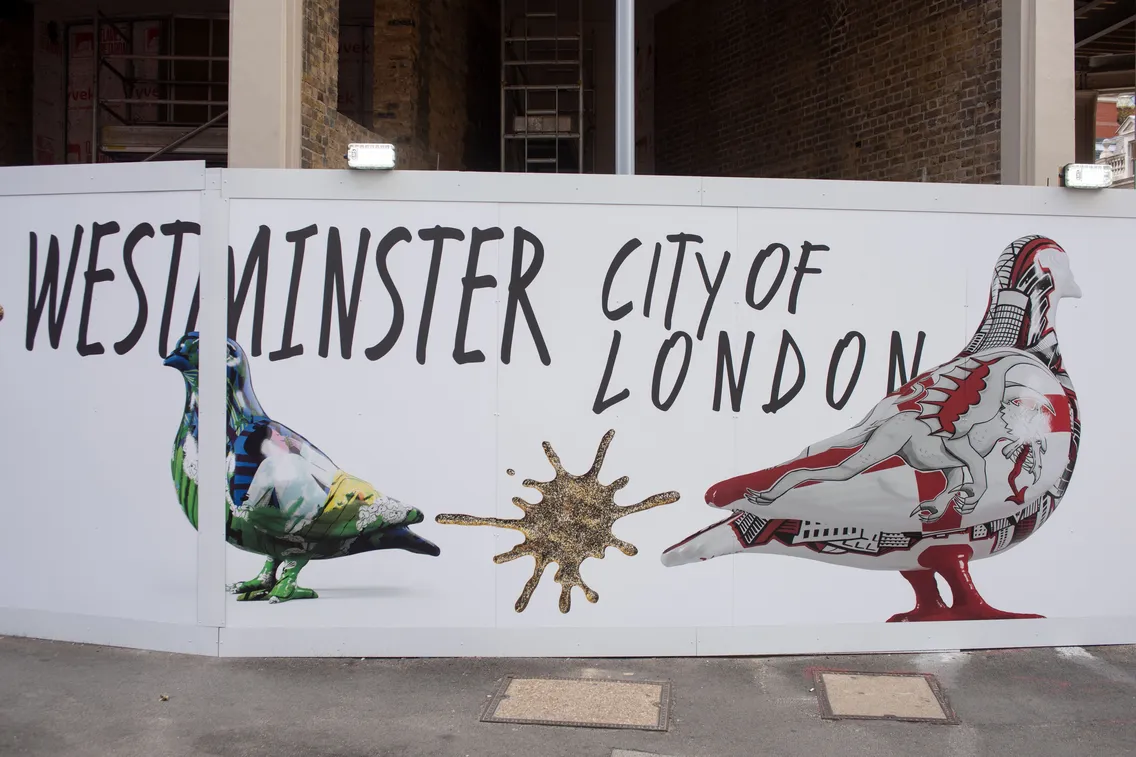
When London Museum rebranded, they went beyond a visual overhaul to start a conversation with their audience. After consulting with 500 Londoners, the museum discovered their old branding didn’t reflect how people actually felt about the city.

The result? A bold new identity developed with Uncommon Creative Studio and 33 Londoners from across the city. The standout feature is a pigeon logo, cast from London clay, paired with a glittery “splat.” Both funny and deeply symbolic, it reflects the city’s gritty/glorious duality.

Museum Director Sharon Ament explains:

“Our pigeon, cast from London clay, and its splat, rendered in glitter, prompts people to reconsider London. The pigeon and splat speak to a historic place full of dualities, a place where the grit and the glitter have existed side by side for millennia. We share our city with others, including millions of animals. Pigeons are all over London and so are we”  

This rebrand worked because it started with people’s lived experience. It didn’t prescribe meaning: it listened first, and designed second.

Want to learn more about our platform?

Liverpool’s Royal Court: Tone That Welcomes and Reassures

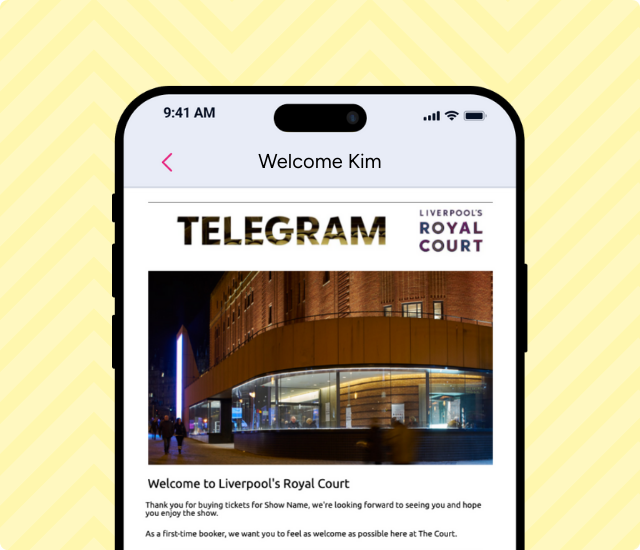
Branding isn’t just what people see – it’s how they feel. At Liverpool’s Royal Court, tone of voice is central to how they make theatre feel welcoming, especially for first-time audiences.

Emails, show descriptions, and even booking confirmations are written in a casual, friendly tone. Words like “show” and “venue” replace more traditional theatre jargon to reflect the way real people speak.

Why? Because they know many of their attendees are more used to gigs or comedy clubs than  theatre. Their brand voice bridges that gap.

This consistent, human-centred tone builds audience confidence and loyalty to ensure that their audience’s experience feels easy, familiar, and fun.

Bilingual Branding in Wales: Language as Identity and Connection

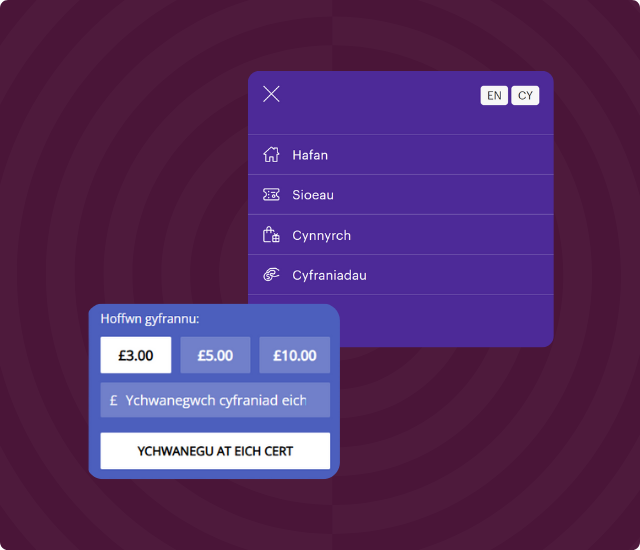
For organisations like Aberystwyth Arts Centre, Theatr Hafren, and Venue Cymru, bilingual branding allows them to demonstrate values and  inclusivity through logos, assets, and online presence.

From signage and websites to programming and campaign copy, these venues ensure both Welsh and English are visible and valued.

This goes beyond direct translation. It’s about reflecting the linguistic identity of their communities, and ensuring that everyone can engage meaningfully with the brand.

Technology supports this effort: with Ticketsolve’s bilingual features, including language toggles for websites and booking journeys, venues make it easy for audiences to switch seamlessly between Welsh and English, depending on their preference.

In 2025, branding is no longer just a design exercise, it’s a human one. By building with audiences instead of just broadcasting to them, you create more than a brand: you build trust, loyalty, and community.

Quote icon

Let's start something brilliant together

We’d love to show you how we can help you thrive.

No items found.

Download the Case Study

Download now