Tracking Underperforming Ticket Sales (and How to Act While There’s Still Time)

A six-step guide to ticket sales tracking for venues, museums and galleries who want to spot underperformance during a run, exhibition or campaign, not explain it after the fact.

Why most venues miss the early warning signs of poor ticket sales

This guide is for marketing, audience and programming leads at arts venues, museums and galleries. It's also for anyone who wants a more data-driven approach to spotting underperforming ticket sales early enough to do something about it: during a run, exhibition or campaign, not afterwards.

Most teams have the data, but they're missing a method for reading the early warning signs of poor ticket sales in time. The signals usually show up in the first 48 hours of page views, the click-through on the announcement email, and the early behaviour of bookers or visitors.

Here's a six-step method for reading those data points while there's still time to act.

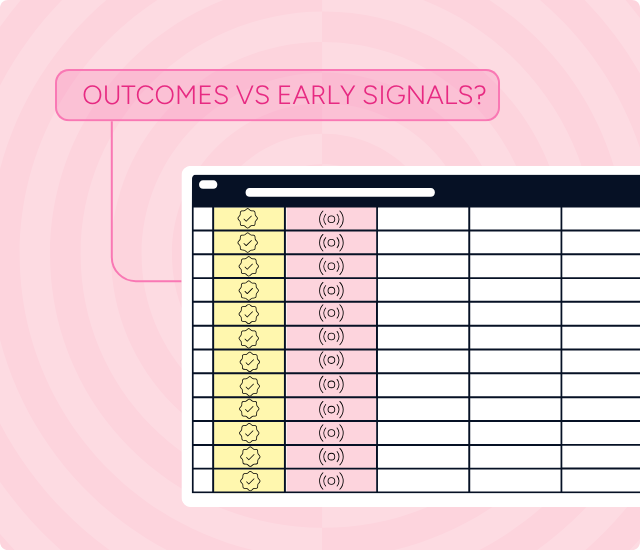
Step 1: Split your metrics into outcomes and early signals

Some numbers - referred to as lagging indicators- tell you how a campaign or run finished, final ticket sales, total visitors or membership renewals. Others are leading indicators: page views in the first 48 hours, email click-throughs, registrations for talks linked to a new exhibition.

Both matter, but many organisations are in the habit of reporting on lagging indicators only. By the time you have those numbers, the campaign is over: it is also important to report on leading indicators for arts marketers. 
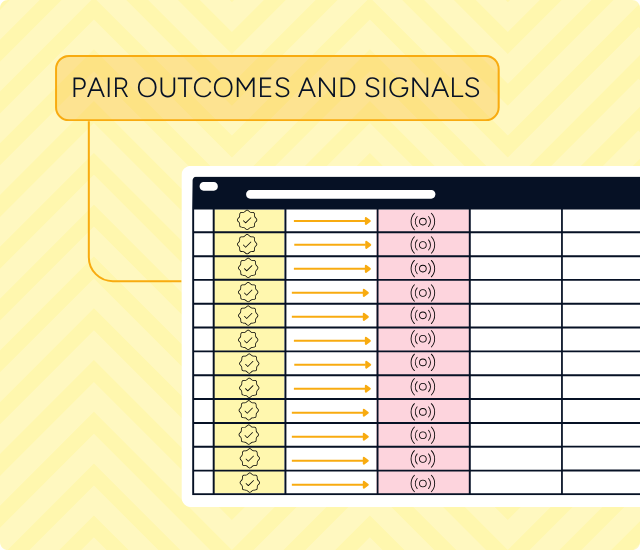
Step 2: Pair each outcome with an early-warning signal

For every outcome you care about, find an early signal that hints at it:

  • Final ticket sales → first-week page views
  • Total exhibition visitors → exhibition page views in the first fortnight
  • Repeat bookings by genre → newsletter sign-ups by genre
  • Membership uptake → registrations for associated talks

These pairings are the foundation of ticket sales tracking for venues. Test each one against two or three similar past programmes. If the early signal didn't actually predict the outcome, swap it for one that did.

Want to learn more about our platform?

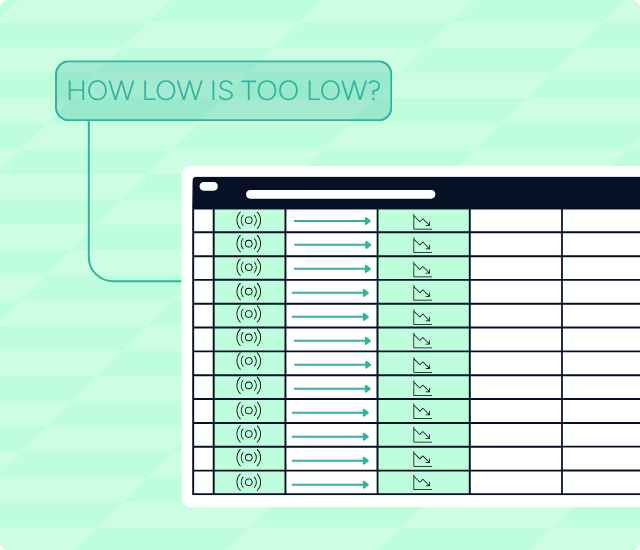
Step 3: Define what "too low" looks like in advance

Look at the same early signal across your last five similar activities. Find the cut-off point between strong and weak results. That's your trigger point.

"Page views below X in the first 48 hours" gives you something to act on. "It feels quiet" doesn't.

It’s worth noting that one number won't fit every key metric you track: matinee and evening, paid and free: each has its own baseline.

A well-designed sales dashboard makes those signals much easier to spot. Ticketsolve's Sales Dashboard, for example, brings live sales, page views and channel performance into a single view - so the early data isn't buried across three tabs or two systems.

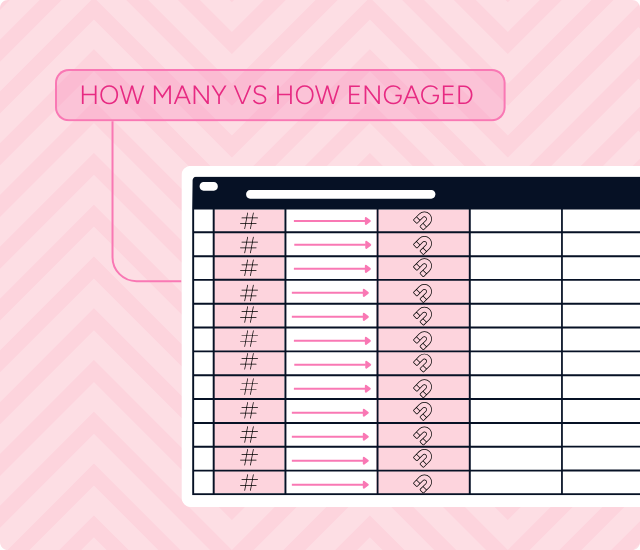
Step 4: For every "how many" metric, track a "how engaged" one

A smaller audience engaging deeply often predicts more than a big one that glances briefly:

  • Website traffic → average session duration
  • Email list size → click-through rate
  • Social reach → saves and shares
  • Footfall → dwell time, talk attendance, secondary spend

If the volume number is rising but the engagement number is falling, something is probably wrong. These paired exhibition or performance metrics give you a fuller picture than either side alone.

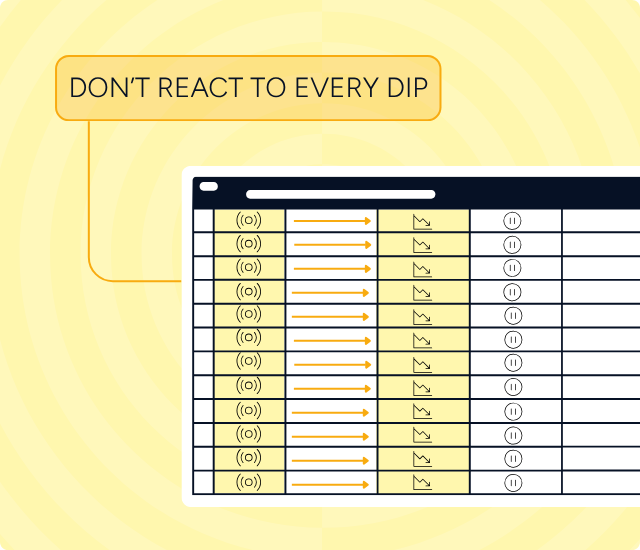
Step 5: Don't react to every dip in ticket sales

Lower sales than expected on launch week is not necessarily a worry if it’s a one-off. Three low-sales launches mean it’s probably time to act. 

If you’re not sure whether to make a change, compare the current numbers to the same point in the cycle for a couple of similar past programmes. Save your team’s time and energy for when you really need to act.

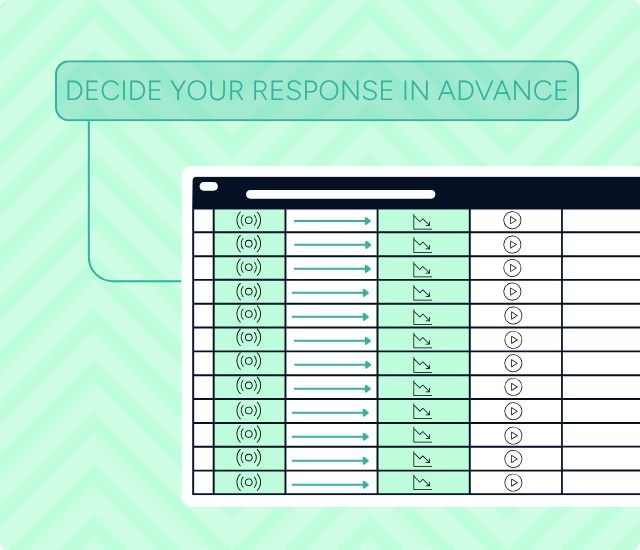
Step 6: Decide your response in advance

For each pairing, write down what you'll do before you need to do it.

"If page views in the first 48 hours fall below the trigger point, increase paid promotion within five working days and email past attendees of similar shows/exhibitions"

In the moment, it can be tempting to wait and see - but deciding in advance makes the response automatic.

And remember - you can make changes in both directions. Sometimes the right call is to pause spend or move channels, not necessarily do more.

FAQ Embed – Ticketsolve

Frequently asked questions


<
Going further

TThe full whitepaper goes further. You'll find the complete pairing tables for both ticketed and non-ticketed venues. You'll also find ideas for volume-versus-quality across web, email, social and footfall, and the question set we use to examine a result without slipping into defensiveness.

Quote icon

Let's start something brilliant together

We’d love to show you how we can help you thrive.

No items found.

Download the Whitepaper

Download now